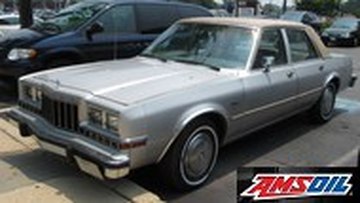
Maintaining Lubrication Standards for the 1982 Dodge DIPLOMAT 5.2L
Proper engine maintenance is a cornerstone of long-term vehicle health, particularly for an engine like the 5.2L found in this 1982 Dodge Diplomat. While many modern automotive concerns focus on complex electronics, the fundamental mechanical integrity of this era of vehicle relies heavily on consistent lubrication and proactive inspection of aging components.Monitoring Fluid Integrity and Potential Leaks
One of the most effective ways to monitor the health of a 5.2L engine is through regular visual inspections for fluid seepage. Over time, various gaskets and seals may experience changes in their ability to maintain a tight barrier against internal pressures. When performing routine checks, it is useful to look for any signs of oil residue around the engine block or at connection points. If you notice fresh oil appearing on the underside of the vehicle or pooling near the engine, this warrants further investigation. It is important to remember that a small amount of seepage does not always indicate a catastrophic failure, but it serves as an early indicator that a seal may be reaching the end of its service life. Additionally, observing the color and consistency of the oil on the dipstick can provide clues about the engine's internal state. Oil that appears excessively dark or contains visible particulates should be addressed promptly to prevent potential issues with engine components.Systematic Inspection of Aging Components
As vehicles age, certain peripheral components require more frequent attention to ensure they do not interfere with engine operation. For a 1982 model, this includes inspecting any accessible belts and hoses that are present in the engine bay. If equipped, drive belts should be examined for signs of physical deterioration such as cracking, fraying, or glazing. A belt that has lost its structural integrity can lead to issues with accessory operation if it fails. Similarly, if the vehicle is equipped with rubber cooling hoses, these should be checked for softness, swelling, or brittleness. Maintaining the integrity of these components helps prevent unexpected fluid loss and ensures the engine operates within a stable thermal range. Beyond the belts and hoses, checking electrical connections for corrosion or loose seating can also prevent intermittent issues that might otherwise be difficult to diagnose.Establishing a Maintenance Baseline
For owners of a 1982 Dodge Diplomat, especially if the vehicle has recently changed hands, establishing a maintenance baseline is a highly effective strategy. If a complete service history is unavailable, performing a comprehensive inspection and documenting all findings can create a starting point for future care. This process involves:- Reviewing any available repair receipts or service logs to identify past work.
- Conducting a thorough visual inspection of all major fluid levels and component conditions.
- Documenting the current state of all inspected items, such as belt condition or visible seepage.
- Addressing any immediate needs, such as overdue fluid changes or obvious leaks, before proceeding with long-term preventive maintenance.
Observing Changes in Engine Behavior
While visual inspections are vital, paying attention to how the engine behaves during operation is equally important. Changes in the way an engine sounds or runs can be early indicators that something requires attention. For example, unusual mechanical noises—such as tapping, knocking, or whistling—should not be ignored. While these sounds can stem from various sources, they are often worth investigating to prevent further complications. Furthermore, changes in how the vehicle consumes fluids should be monitored. If you find yourself needing to add oil more frequently than previously observed, it may indicate a change in the engine's lubrication needs or an emerging leak. It is also helpful to watch for any unusual exhaust characteristics; while smoke can have many causes, any sudden change in exhaust appearance warrants a professional inspection to determine the underlying cause.Prioritizing Long-Term Engine Care
Effective maintenance for an older vehicle involves distinguishing between necessary repairs and unnecessary parts replacement. Rather than following a rigid schedule based solely on the calendar year, prioritize tasks based on the actual condition of the 5.2L engine. If the vehicle has been well-maintained with documented oil changes and inspections, your focus can remain on monitoring for gradual wear. If there is evidence of previous neglect or if the maintenance history is entirely unknown, the priority shifts toward stabilizing the engine's environment. This might mean addressing active leaks first or ensuring that all fluid levels are strictly maintained according to the application information provided for this vehicle. Keeping a personal log of every oil change, filter replacement, and observed leak helps in recognizing patterns that can guide future maintenance decisions.Practical Guidance for Buying Engine Oil for the 1982 Dodge DIPLOMAT 5.2L
When it is time to replenish your engine's lubrication, the most critical step is ensuring the product matches the specific requirements of your application. To ensure proper performance and protection, match the engine oil to the application-specific viscosity information already displayed on this page. When selecting a product, consider the following:- Verify Labeling: Always check the product container to confirm it meets the necessary specifications before purchase.
- Formulation Options: Depending on your specific needs and the current condition of the engine, you may choose between conventional, synthetic blend, or full synthetic formulations. Some high-mileage oil formulations contain additives intended for use in aging engines, including seal-conditioning additives that may be beneficial for older seals.
- Quality Standards: Look for oils that meet the appropriate API certifications to ensure they provide the necessary level of protection and deposit control.